

Space-Saving Nursery Organization Hacks for Small Rooms That Maximize Every Inch
Table of Contents
Designing a nursery is one of the most exciting parts of preparing for a baby—but when space is limited, it can quickly feel overwhelming. Tiny rooms, shared spaces, or apartments with minimal square footage demand clever planning and multifunctional design. Thankfully, a small nursery doesn’t have to mean sacrificing style or storage.
According to a survey by the National Association of Home Builders, the average size of new homes is shrinking, making efficient nursery organization more relevant than ever. Parents are looking for ways to make the most of every square foot without cluttering the space or losing the cozy charm a nursery should have.
This article explores smart, space-saving nursery organization hacks for small rooms that blend beauty and function. From vertical storage and dual-purpose furniture to under-crib bins and minimalist layout strategies, you’ll find practical, stylish tips to keep your baby’s essentials tidy and accessible. Whether you’re creating a nursery in a small bedroom, a converted nook, or even a corner of your master suite, these ideas are designed to help you stay organized while keeping the space warm, welcoming, and baby-ready.
Use Vertical Space with Wall Shelves and Hanging Organizers
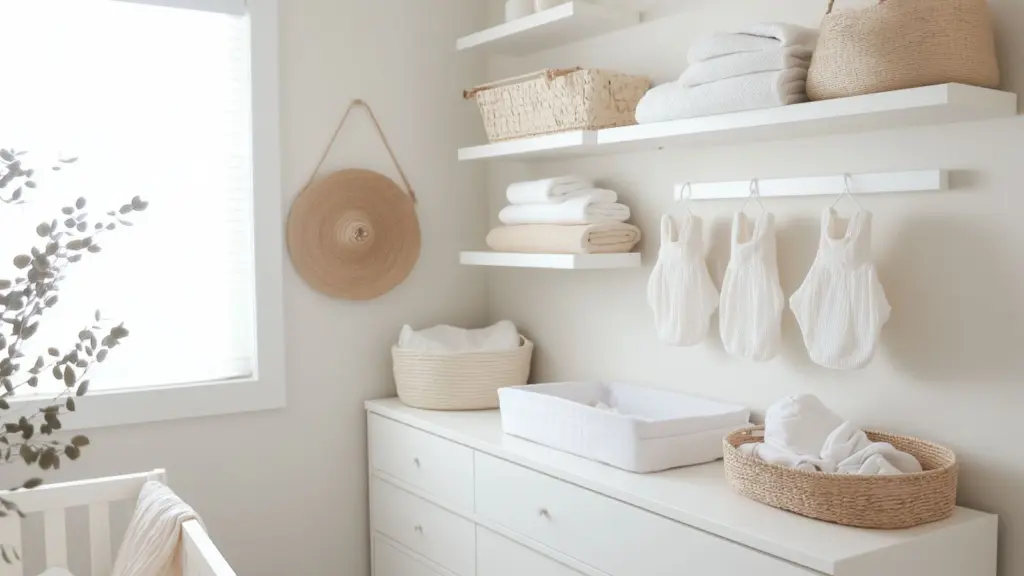
When floor space is limited, the key is to go up. Vertical storage solutions like wall shelves, hanging bins, and peg rails turn unused walls into functional areas. Floating shelves above the changing table or crib can hold books, baby monitors, or baskets with diapers and wipes.
You can also install wall-mounted hanging organizers with multiple pockets to keep small items like pacifiers, socks, and lotions sorted and visible. This not only clears clutter from surfaces but also keeps necessities within easy reach, especially for late-night diaper changes.
Table: Vertical Storage Options for Nursery Organization
| Storage Type | Ideal Use | Tip for Small Rooms |
|---|---|---|
| Floating wall shelves | Books, decor, baby care items | Install above changing station |
| Peg rails with hooks | Hats, blankets, diaper bags | Place behind the door or dresser |
| Hanging pocket racks | Tiny accessories and diapers | Mount near crib or changing area |
Maximize Storage Under the Crib
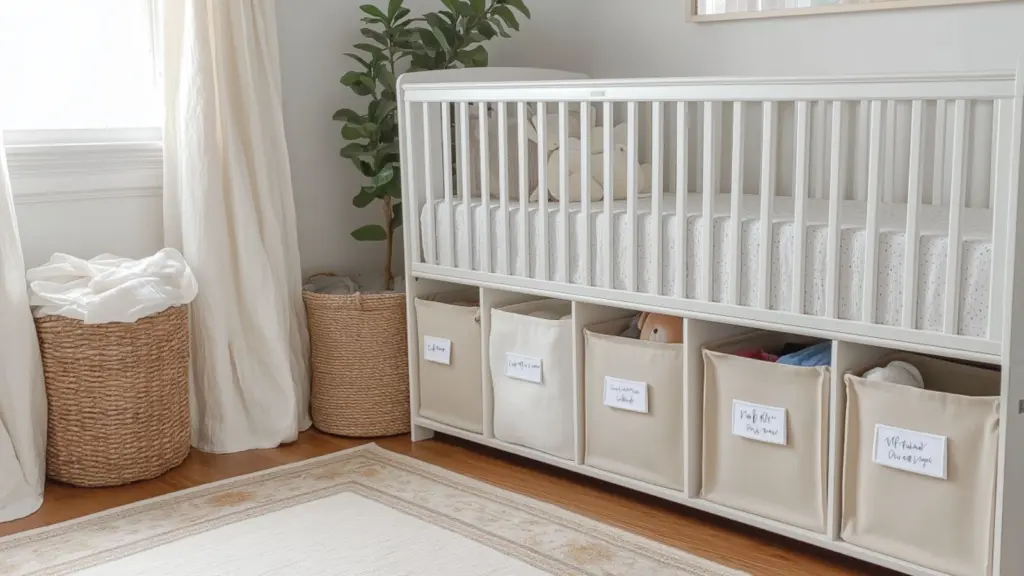
The space beneath your crib is often overlooked but can be a goldmine for storage in a small nursery. Under-crib bins, drawers, or baskets are perfect for keeping extra diapers, blankets, out-of-season clothes, or toys tucked neatly away.
Opt for rolling storage bins or zippered fabric containers that can easily slide in and out. If your crib doesn’t have built-in drawers, consider risers to slightly elevate it, giving you more clearance without affecting stability.
Table: Under-Crib Storage Solutions
| Container Type | Best For | Bonus Feature |
|---|---|---|
| Rolling plastic bins | Diapers, wipes, cleaning items | Easy to move during cleanup |
| Zippered fabric boxes | Baby clothes, blankets | Soft and dust-resistant |
| Storage drawers (built-in or added) | Everyday essentials | Hidden, tidy appearance |
Opt for Multi-Functional Furniture Pieces
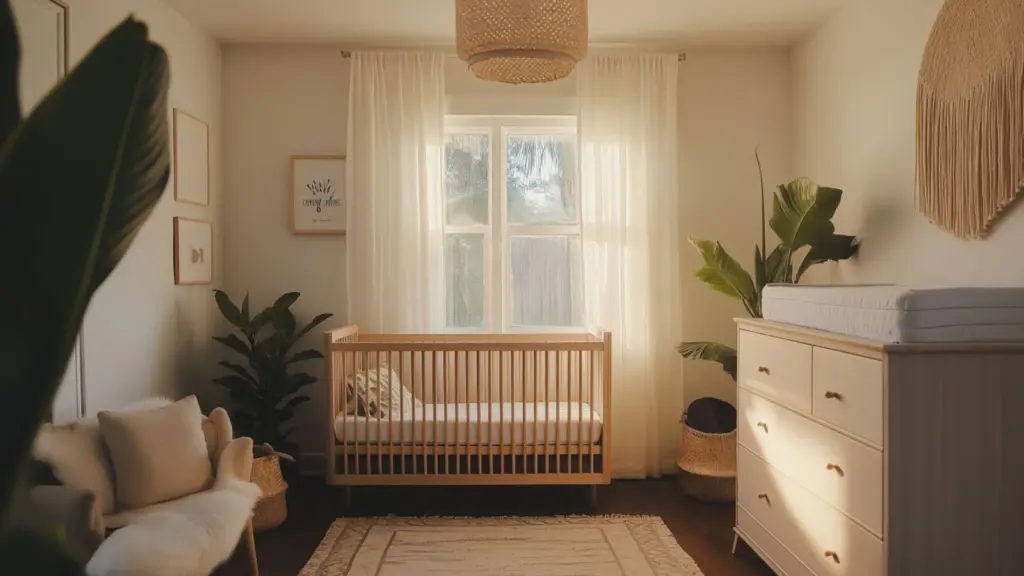
In a small nursery, every piece of furniture should work harder. Choose items that serve more than one purpose—like a dresser that doubles as a changing table, a crib with built-in drawers, or a glider with hidden storage underneath.
Convertible furniture isn’t just a space-saver—it’s a long-term investment. Many cribs transition into toddler beds or daybeds, while changing tables can continue as dressers long after the diaper stage.
Table: Best Multi-Functional Nursery Furniture
| Furniture Item | Primary Use | Bonus Functionality |
|---|---|---|
| Dresser-changing combo | Diaper station | Clothing storage |
| Convertible crib | Sleeping area | Grows with your child |
| Storage ottoman | Footrest or seat | Hides toys or blankets |
| Wall-mounted foldable table | Emergency station | Collapses when not in use |
Organize the Closet Like a Pro
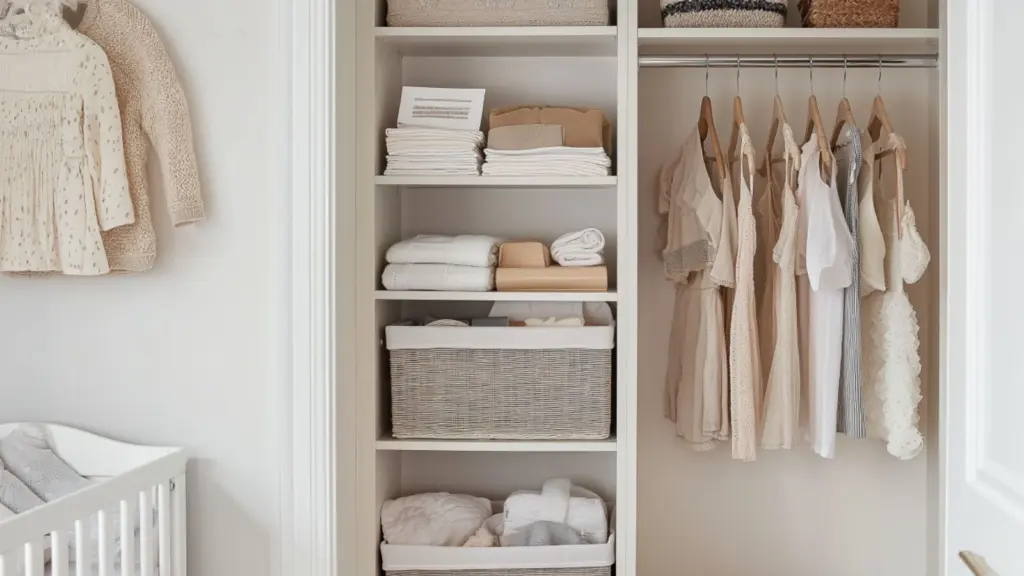
Closet organization can completely transform your nursery setup, even in a small room. If you’re lucky enough to have a closet in the nursery, use every inch of it. If not, create a mini “wardrobe wall” with an open garment rack and shelves.
Install double hanging rods to fit both baby clothes and accessories. Use labeled bins or baskets on upper shelves for items like swaddles, shoes, or outgrown clothes. Slim velvet hangers help maximize rod space while keeping tiny garments from slipping off.
Use a door-mounted organizer to store extra baby wipes, toiletries, or folded linens. And don’t forget about vertical shelf dividers to keep things neat and accessible.
Table: Nursery Closet Organization Tips
| Closet Element | Purpose | Pro Tip |
|---|---|---|
| Double hanging rods | Separate clothing sizes | Use for daily vs. future outfits |
| Shelf bins | Organize linens and accessories | Label by category |
| Door organizers | Maximize back-of-door space | Store backup diapers, creams |
| Shelf dividers | Maintain neat stacks of baby gear | Prevent items from toppling |
Choose Slim Furniture with Open Frames
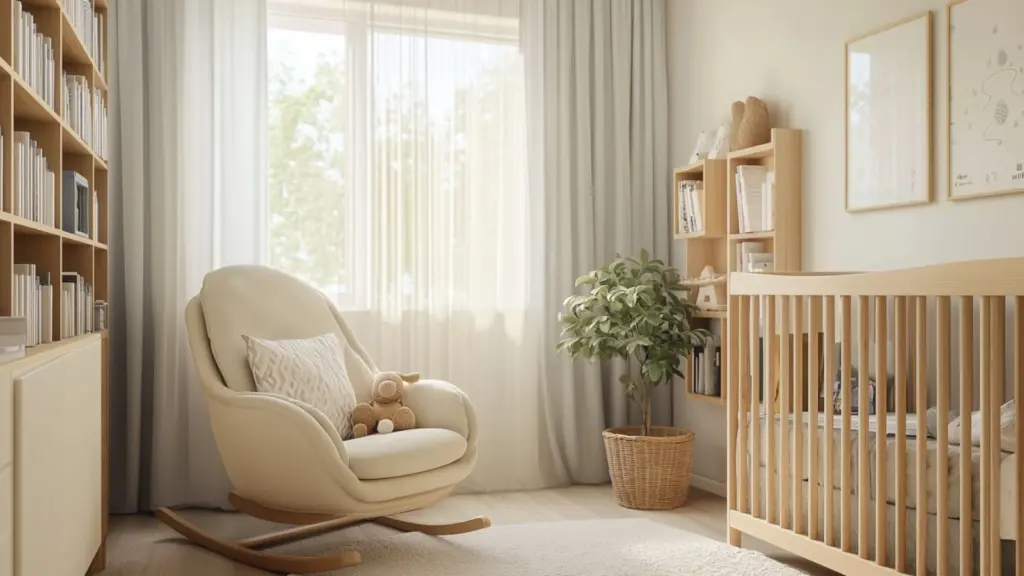
Bulky furniture can quickly overwhelm a tiny room. Instead, look for slim-profile pieces that offer storage without visual weight. Open-frame designs, such as metal bookshelves or minimalist changing tables, maintain an airy feel and prevent the room from feeling closed in.
Open shelving units can hold baskets for essentials while displaying books and cute decor. Just keep them neatly arranged to avoid visual clutter. A slim profile rocker or glider with tapered legs adds comfort without taking up too much floor space.
Table: Recommended Slim Furniture Options
| Furniture Type | Why It Works | Ideal Placement |
|---|---|---|
| Narrow bookshelf | Vertical storage without bulk | Beside changing table |
| Slim rocker/glider | Comfort with compact footprint | Near crib or window |
| Minimalist changing table | Clean lines, open shelving | Corner or along short wall |
Use Drawer Dividers for Efficient Storage
Even when drawers are available, they can become a jumbled mess without some internal structure. Drawer dividers are essential for organizing baby clothes, accessories, and care items. Whether you’re storing onesies, pacifiers, or tiny socks, everything has its place.
Modular drawer organizers, like fabric cubes or acrylic trays, make it easy to see what you have and access it quickly. Group items by category—newborn essentials, healthcare items, clothing by size—for faster daily routines.
Table: Drawer Divider Categories for Nursery
| Divider Type | Best For | Benefit |
|---|---|---|
| Fabric cubes | Clothing, blankets | Soft and expandable |
| Acrylic trays | Baby care, toiletries | Easy to wipe clean |
| Adjustable inserts | Diapers, wipes, small items | Customizable compartments |
Make the Most of the Door and Wall Backs
Every inch counts in a small room, and the backs of doors and walls are prime real estate. Over-the-door organizers with pockets or hooks are perfect for stashing extra bibs, burp cloths, shoes, or even storybooks.
Wall-mounted rails or pegboards can hold baskets or hooks for everything from hats to nursing covers. These elements keep clutter off the floor and allow for easy visibility and access, especially in shared nurseries.
Table: Space-Saving Door and Wall Hacks
| Item Used | Placement | Best Items to Store |
|---|---|---|
| Over-door pocket rack | Back of door | Shoes, socks, bibs, lotion bottles |
| Pegboard or rail system | Empty wall space | Toys, small baskets, hats, bags |
| Command hooks | Wall corners | Hanging decor or diaper bag |
Create a Rotating System for Clothes and Gear
Babies grow quickly, and so do their storage needs. A rotating organization system keeps your nursery functional as seasons and sizes change. Dedicate one bin or drawer to outgrown clothes and one to the next size up—label each and rotate weekly or monthly.
Group baby items by current, soon-to-use, and storage categories. This avoids overcrowding drawers and helps you stay ahead of growth spurts or seasonal changes. It also simplifies hand-me-down prep or donation planning later on.
Consider a quarterly clean-out and refresh system where you assess what’s working, what’s cluttering, and what needs to be updated. This is particularly important in shared spaces where nursery areas compete with adult storage.
Table: Rotating System for Baby Clothes and Gear
| Category | Storage Tip | Suggested Frequency |
|---|---|---|
| Outgrown clothes | Store in labeled bin or vacuum bag | Weekly or biweekly |
| Upcoming sizes | Keep separate but easily accessible | Monthly check-in |
| Seasonal items | Rotate with climate changes | Quarterly |
| Donation/hand-me-down | Separate bag for easy drop-off | As needed |
Conclusion
Organizing a nursery in a small room may feel like a puzzle at first, but with the right strategies, it becomes an opportunity to design an efficient and beautiful space. By utilizing vertical surfaces, multifunctional furniture, smart closet hacks, and rotating systems, you can keep everything tidy while maintaining a peaceful, uncluttered environment for you and your baby.
Small nurseries are proof that thoughtful design matters more than square footage. With each organizational element carefully chosen, even the coziest rooms can offer comfort, style, and plenty of functionality for your growing family.