

Small Nursery Room Design: Maximizing Space with Style and Function
Table of Contents
Designing a nursery is one of the most exciting parts of preparing for a new baby—but if you’re working with limited square footage, it can quickly become a puzzle. Whether your nursery is tucked into a corner of your bedroom or you’re transforming a tiny spare room, the challenge remains the same: how do you create a functional, beautiful space that still feels calm and uncluttered?
The good news? A small nursery doesn’t mean you have to compromise on style. With thoughtful layout choices, multipurpose furniture, and clever storage solutions, you can design a cozy, welcoming space that has everything your baby needs and feels intentional rather than cramped.
Recent trends in urban living and minimalist parenting have shown us that small nursery design is not only possible—it can be incredibly charming. This guide will walk you through practical tips and inspiring ideas for maximizing style and space in even the tiniest nursery. From vertical storage tricks to compact furniture picks, you’ll find everything you need to turn a limited footprint into a warm, functional haven.
Smart Layouts for Small Nursery Rooms
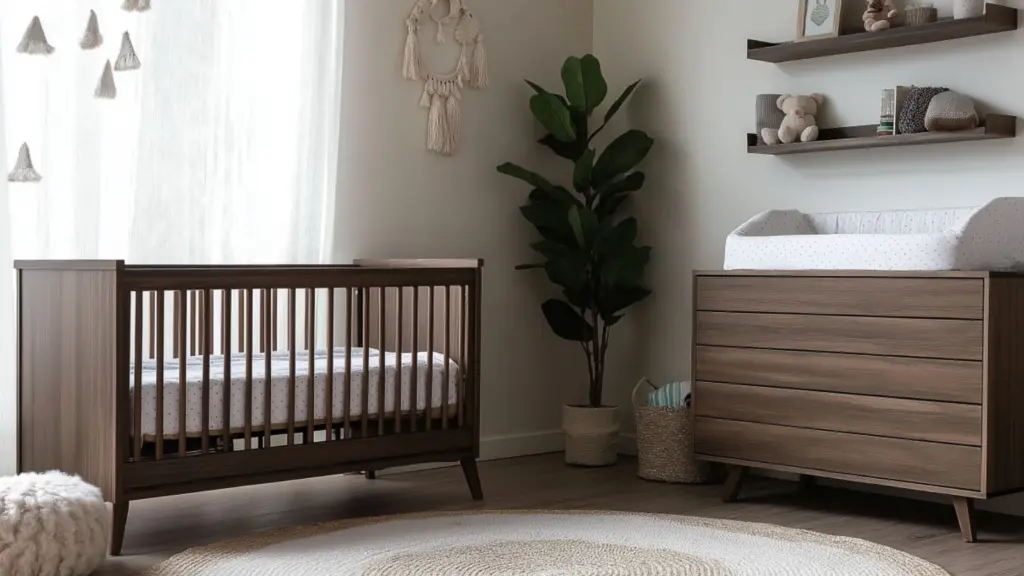
The first step in designing a small nursery is determining how to use your available space wisely. A smart layout can make even a tiny room feel surprisingly open and functional.
Start by measuring your space and plotting out where the essentials will go: crib, changing station, and storage. Avoid blocking windows or doors, and instead work with the flow of the room. Consider placing the crib on the longest wall or in a corner to open up floor space. A changing pad on top of a dresser saves room over a standalone table.
If your nursery is part of another room (like a shared master), use visual dividers like curtains, shelving units, or rugs to define the space while keeping it cohesive.
Small Nursery Layout Checklist
| Key Item | Ideal Placement Tip | Purpose |
|---|---|---|
| Crib | Longest wall or corner | Keeps central space open |
| Dresser/Changing | Combo unit near crib | Saves room, provides dual function |
| Chair | Opposite crib or window corner | Cozy feeding nook |
| Storage Bins | Under crib or vertical shelves | Hidden or vertical storage |
Multipurpose Furniture for Maximum Efficiency
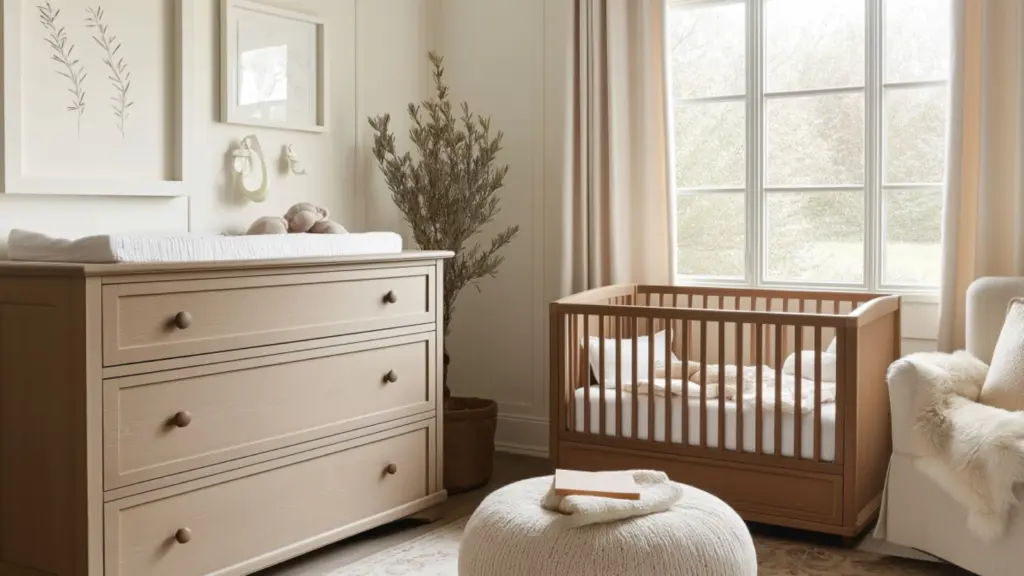
When space is at a premium, every piece of furniture should work overtime. Multipurpose furniture not only saves square footage—it reduces visual clutter, helping the room feel calm and intentional.
Start with a dresser that doubles as a changing table. Look for models with smooth surfaces and sturdy construction, ideally with at least three drawers to handle clothes, diapers, and swaddles. Add a removable changing pad on top, and you have a dual-purpose staple.
Convertible cribs are another lifesaver. Many models start as full-sized cribs but convert into toddler beds or even daybeds down the line. This means you’ll get years of use out of a single piece.
Rockers or gliders with hidden storage underneath are ideal for compact spaces. You can also use an ottoman with built-in storage to keep burp cloths, nursing covers, or books neatly tucked away.
Top Space-Saving Furniture Picks
| Furniture Type | Dual Functionality | Space-Saving Benefit |
|---|---|---|
| Dresser/Changing Unit | Storage + diaper changing | Combines two must-haves |
| Convertible Crib | Crib + toddler/day bed | Long-term use, fewer replacements |
| Storage Ottoman | Footrest + storage | Hidden storage without bulk |
| Glider with Pockets | Feeding chair + item storage | Convenience without extra furniture |
Investing in multifunctional furniture helps you design a stylish nursery that will evolve with your growing child while keeping the room feeling spacious and organized.
Creative Storage Solutions for Small Nurseries
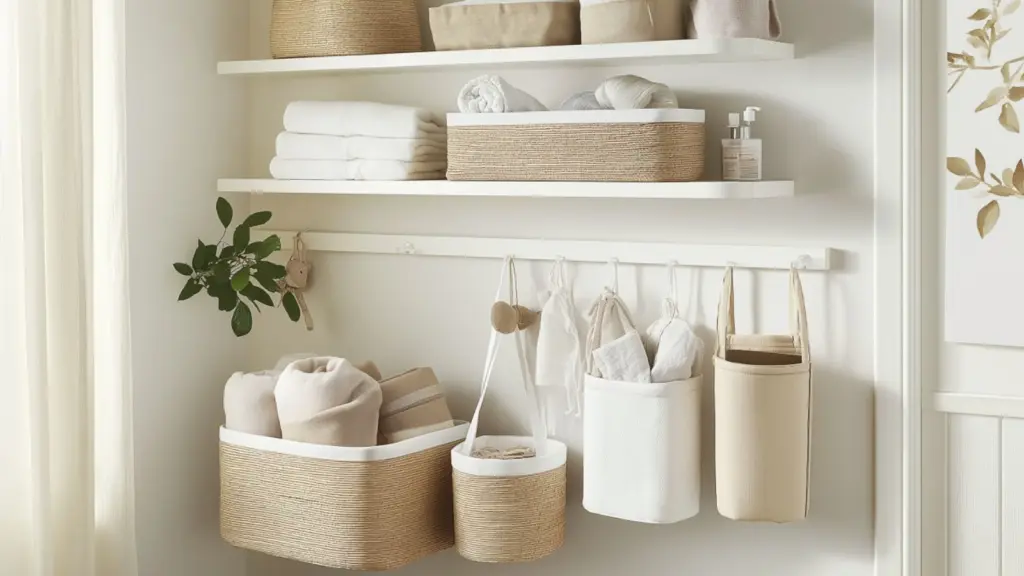
Storage is one of the biggest challenges in a small nursery, but it’s also one of the most rewarding areas to get creative. Vertical space is your best friend—think floating shelves, wall hooks, and over-the-door organizers.
Start by using the wall above the changing station for open shelving or hanging baskets. These can store wipes, lotions, or small toys within easy reach. Use labeled baskets or bins on shelves to keep everything tidy and accessible.
Utilize the space under the crib with shallow rolling bins or fabric baskets. These can hold off-season clothing, extra diapers, or keepsake items without taking up floor space.
Don’t overlook the back of the door. Over-the-door caddies with pockets are perfect for storing pacifiers, tiny shoes, or even extra burp cloths.
Small Nursery Storage Ideas
| Storage Type | Where to Use It | Best For |
|---|---|---|
| Floating Wall Shelves | Above dresser or crib | Diapers, decor, books |
| Under-Crib Bins | Beneath mattress base | Bulkier items, linens |
| Over-the-Door Caddy | Back of nursery or closet door | Small essentials, toys |
| Peg Rails or Hooks | Side walls | Hanging swaddles, baskets, decor |
Color Palettes That Open Up a Small Nursery
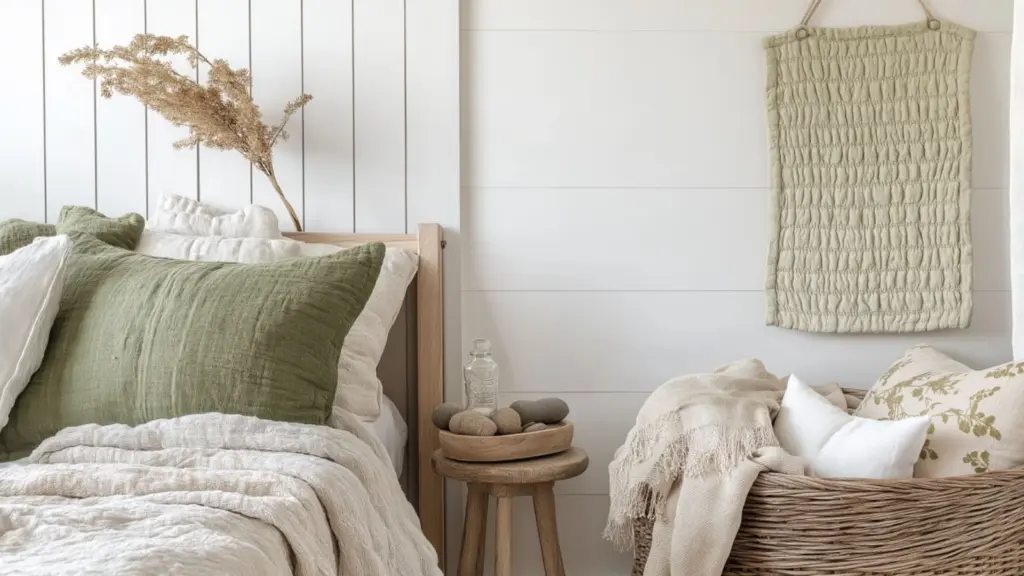
In small spaces, the right color palette can dramatically change how a room feels. Soft, airy hues help a nursery feel open and bright, while darker tones can sometimes make it feel smaller and heavier.
Neutrals are a go-to for small nursery design. Whites, beiges, soft grays, and pastels reflect light and make the space appear larger. For a warm and cozy twist, try muted earthy tones like sage green, warm sand, or blush.
Keep your color palette simple and cohesive—too many contrasting colors can visually clutter a small room. Add interest through texture (woven baskets, velvet curtains, soft knit blankets) rather than bold patterns.
Recommended Color Combos for Small Nurseries
| Main Color | Accent Color | Effect on Room |
|---|---|---|
| Soft White | Dusty Rose or Beige | Light, open, soothing |
| Warm Gray | Sage or Taupe | Calm and natural |
| Light Blush | Ivory and Gold | Elegant and cozy |
| Pale Blue | Sand or Cream | Airy and refreshing |
Decor Accents That Add Style Without Clutter
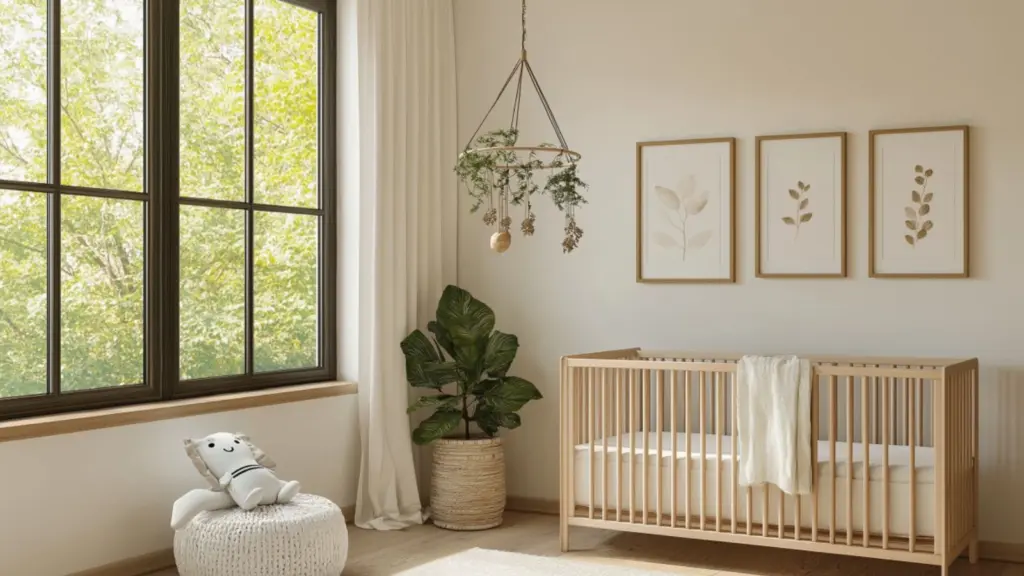
Decorating a small nursery is all about thoughtful restraint. Every decorative element should feel intentional. Instead of filling the space with too many items, choose a few high-impact pieces.
Wall art is an easy way to add personality without using floor space. Framed prints, hanging fabric banners, or wooden name signs above the crib are perfect additions. Choose artwork in calming tones that complement your color scheme.
A mobile above the crib adds a whimsical, functional touch. Choose lightweight options with natural materials like felt, wood, or cotton.
Plants—real or faux—can add life and texture to a small nursery. Opt for small planters on shelves or windowsills, or a hanging pot to save space.
Minimalist Decor Picks
| Decor Item | Placement Suggestion | Design Impact |
|---|---|---|
| Wall Art | Over crib or dresser | Personal touch, adds height |
| Mobile | Hanging above crib | Visual stimulation, softness |
| Small Plants | Shelf or windowsill | Fresh, calming aesthetic |
| Statement Rug | Floor center or under crib | Defines space, adds texture |
Lighting That Enhances Comfort and Space
Good lighting can make a small nursery feel larger, warmer, and more welcoming. In a room where functionality meets comfort, lighting should be layered to suit both day and night routines.
Start with a central ceiling fixture that provides ample ambient light. A flush mount or small pendant light works well in compact spaces. Choose warm white bulbs to create a cozy glow that feels restful rather than sterile.
Next, add task lighting like a table lamp or wall-mounted sconce near your feeding chair or changing area. If surface space is limited, opt for sconces with swing arms or clip-on styles that offer flexibility without bulk.
Nightlights are also important in a nursery. A soft, low-level light helps you see during nighttime feedings and diaper changes without waking your baby. Look for nightlights with dimmable features or motion sensors for added convenience.
Maximize natural light during the day by keeping window treatments light and breathable. Sheer curtains or blinds with blackout backing give you control over brightness while maintaining softness in the decor.
Lighting Guide for Small Nurseries
| Type of Light | Style Recommendation | Functionality |
|---|---|---|
| Overhead Fixture | Flush mount or pendant | General lighting |
| Task Lighting | Table lamp or sconce | Reading, nursing, diapering |
| Nightlight | Dimmable or motion sensor | Low light for nighttime visits |
| Natural Light | Sheer curtains or blinds | Brightens space during the day |
Conclusion
Designing a small nursery room doesn’t mean you have to compromise on style, comfort, or functionality. With thoughtful planning and the right elements—multipurpose furniture, creative storage, a calming palette, and smart decor—you can create a nursery that feels just as spacious and welcoming as a larger one.
Ultimately, a successful small nursery is about making every inch count. Focus on simplicity, utility, and warmth to transform even the most compact room into a dreamy space where both you and your baby can feel at home.